Wed 11 Nov · From 5pm
Pre-conference drinks · ProductTank Wellington
St John's Bar & Eatery, 5 Cable Street, Te Aro, Wellington
Supported by Leading the Product and Pendo
Register on Meetup (opens in a new tab) #PAC2612–13 Nov · Tākina
Te Hōtaka · Programme
Big questions. Fresh perspectives. Time to connect.
Thursday 12 November 2026 · Rongomātāne at Tākina
09:00–17:30 · Pacific/Auckland local time (NZDT)
16 sessions
9:00 am–9:15 am NZDT
15 min · Welcome
Vidya · Andrew Little
Rongomātāne · Plenary Hall One
Cultural Welcome
9:20 am–9:35 am NZDT
15 min · Talk
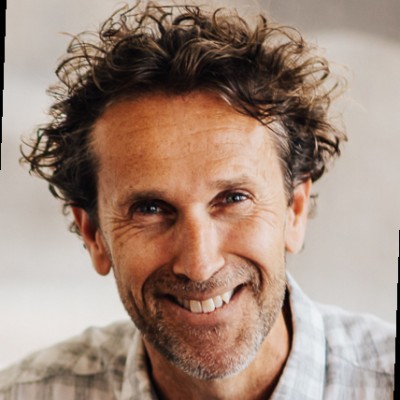
Andrew Tokeley
Rongomātāne · Plenary Hall One
9:40 am–10:10 am NZDT
30 min · Talk
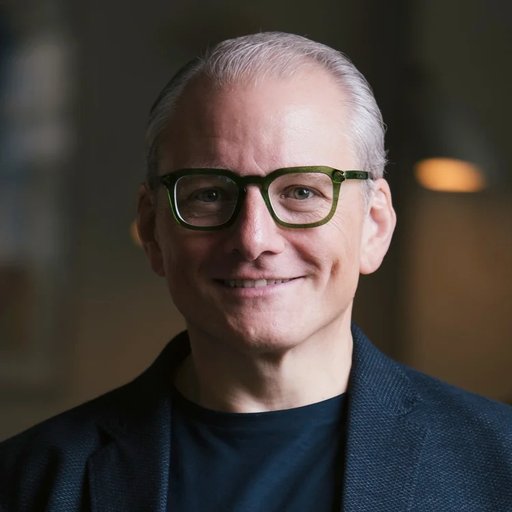
Martin Eriksson
Author of The Decision Stack · Co-founder, Mind the Product
Rongomātāne · Plenary Hall One
When anyone can build anything, the advantage isn't in building. It's in knowing what to build, and why. Everyone's asking how to use AI to do what they already do, faster and cheaper. It's the wrong question — and it's quietly shrinking your ambition at the exact moment it should be exploding. Because when the cost of development drops, the bottleneck doesn't disappear. It moves. From execution to clarity. From “can we?” to “should we?” Most teams aren't ready for that shift. This talk is about the bigger question — the one that turns AI from your biggest threat into your biggest opportunity.
Martin Eriksson is a board member, strategic advisor, and author of The Decision Stack. With over 30 years building businesses, products, and teams, he's advised over 150 companies on aligning from vision to execution, and previously served as Product Partner at EQT, one of the world's largest private investors. As founder of ProductTank, co-founder of Mind the Product, and co-author of Product Leadership (O'Reilly, 2017), he helped define the product management discipline.
10:15 am–10:45 am NZDT
30 min · Talk

Sylvia Ding
Rongomātāne · Plenary Hall One
AI is lowering the cost of building. A prototype can ship in an afternoon, a business case can look board-ready before the thinking is finished, and every idea can arrive looking real. Speed is no longer the constraint. Judgement is. And the hardest part is not just having judgement yourself — it is building it in your teams, because once you scale, you cannot be in the room for every call.
Drawing on 20 years across Vodafone, Amazon and Xero — from launching Alexa and Echo in Australia and New Zealand, to leading global product teams serving millions of small businesses — Sylvia will share how product leaders build judgement at scale. Through real stories and practical questions, she will explore three judgement muscles every product leader needs to build in their teams: Customer, Commercial, and Conviction. You will leave with a simple way to help teams stay close to customers, make sharper trade-offs, and make better calls when the answer is not obvious.
Sylvia Ding has spent two decades building AI, SaaS, and platform products and businesses — and the teams behind them. Her career spans Amazon, Xero, and Vodafone across the UK, China, Australia, and Aotearoa. As Founding Country Manager, she launched Amazon Alexa and Echo in Australia and New Zealand, taking the business from zero to millions of customers and teaching Alexa to be Aussie and Kiwi. Most recently, as EGM of Product at Xero, she led global product teams building AI-powered experiences for millions of small businesses, and helped govern the use of AI and customer data. She cares deeply about building products, teams, and judgement that stay close to customers.
10:45 am–11:15 am NZDT
30 min · Break
11:15 am–11:45 am NZDT
30 min · Talk

Parisa Shademan
Creative Coast
Rongomātāne · Plenary Hall One
This year you'll get your hands on the most capable employee you've ever had. It costs about twenty dollars a month. And most people waste it writing Instagram captions.
Parisa Shademan has a different take on AI. It isn't a technical skill, it's a leadership skill. The operators who get the most out of it aren't the technical ones. They're the ones who already know how to delegate.
In her keynote, Parisa makes the case that your most valuable new hire this year won't be a person. It will be AI. And you'll get the best from it the same way you get the best from anyone good. Brief it well. Give it context. Check its work. Build trust over time.
Get the time back you need and the confidence with AI you want, without the technical headache you're dreading. Stop chatting to AI like it's Google and start delegating to it like the best employee you've ever hired.
Parisa Shademan is the founder of Creative Coast and spent over a decade in product across BNZ, Westpac, Kiwibank, Spark and MBIE. She helps non-technical operators put AI to work without becoming technical themselves. She runs Coffee & Claude, is Entrepreneur in Residence at The Atom at Victoria University of Wellington, and sits on the AngelHQ investment committee. Based in Wellington, she works with clients across the UK, Europe, Australia and North America.
11:50 am–12:20 pm NZDT
30 min · Talk

Marius Wium
RedSeed
Rongomātāne · Plenary Hall One
It starts with an automatic Monday task you no longer have to re-prompt. Then, a notes “vault” that agents can read from, write to and keep updated as shared memory. Then, a running clone of your product where you can build a feature and show it to customers without handing it to a developer. But what about an agent that automatically instruments new features, so you can stop reminding the developers? And then, what about a fleet that searches your data overnight for signs of user confusion and builds a prototype to solve it before you get to work?
These are rungs on a ladder that some product leaders are climbing, while others don't know how to start. What changes at each level isn't the tooling, but how much supervision the agent needs.
This talk walks through that ladder using real examples from our product and development work, so you can see which rung you're on, what the next one looks like, and what it takes to get there.
This matters because the constraint is shifting. Four of our developers went from 251 commits over eight weeks to 1,634 over the same span, with no new hires. Suddenly, the backlog we treated as the plan held only eleven weeks of work. Then one of them asked me what to work on next, and I didn't have an answer.
Most product processes are built around limited developer time. When agents multiply that capacity, the bottleneck shifts from building things to deciding what is worth building.
This isn't a highlight reel. You'll also see five cross-tenant scoping bugs in agent-written code, a board metric reported in June and corrected in August, and the night an agent came back, in writing, to say its own idea hadn't worked.
You'll leave knowing which rung you're on, how to move to the next one, and where the agents still need you.
Marius Wium is Head of Product at RedSeed, an NZ-built learning and 1:1 platform helping organisations turn managers into effective people leaders. He spends most of his time deciding what not to build, and the rest teaching Claude how to help him do that.
12:20 pm–1:20 pm NZDT
60 min · Break
1:20 pm–1:50 pm NZDT
30 min · Lightning talks
Rongomātāne · Plenary Hall One
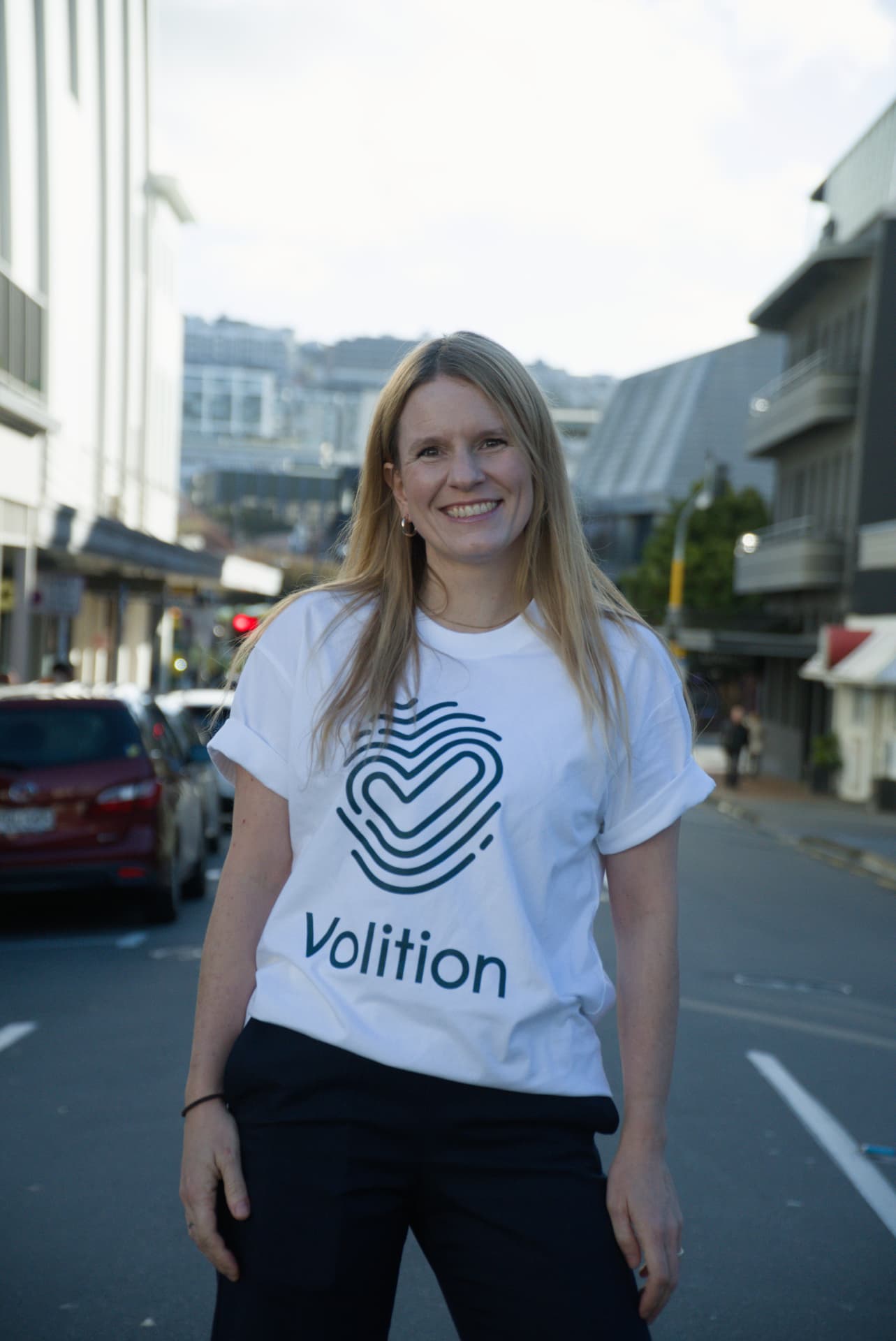
Silent Signals: Finding PMF when Users Can't Tell You
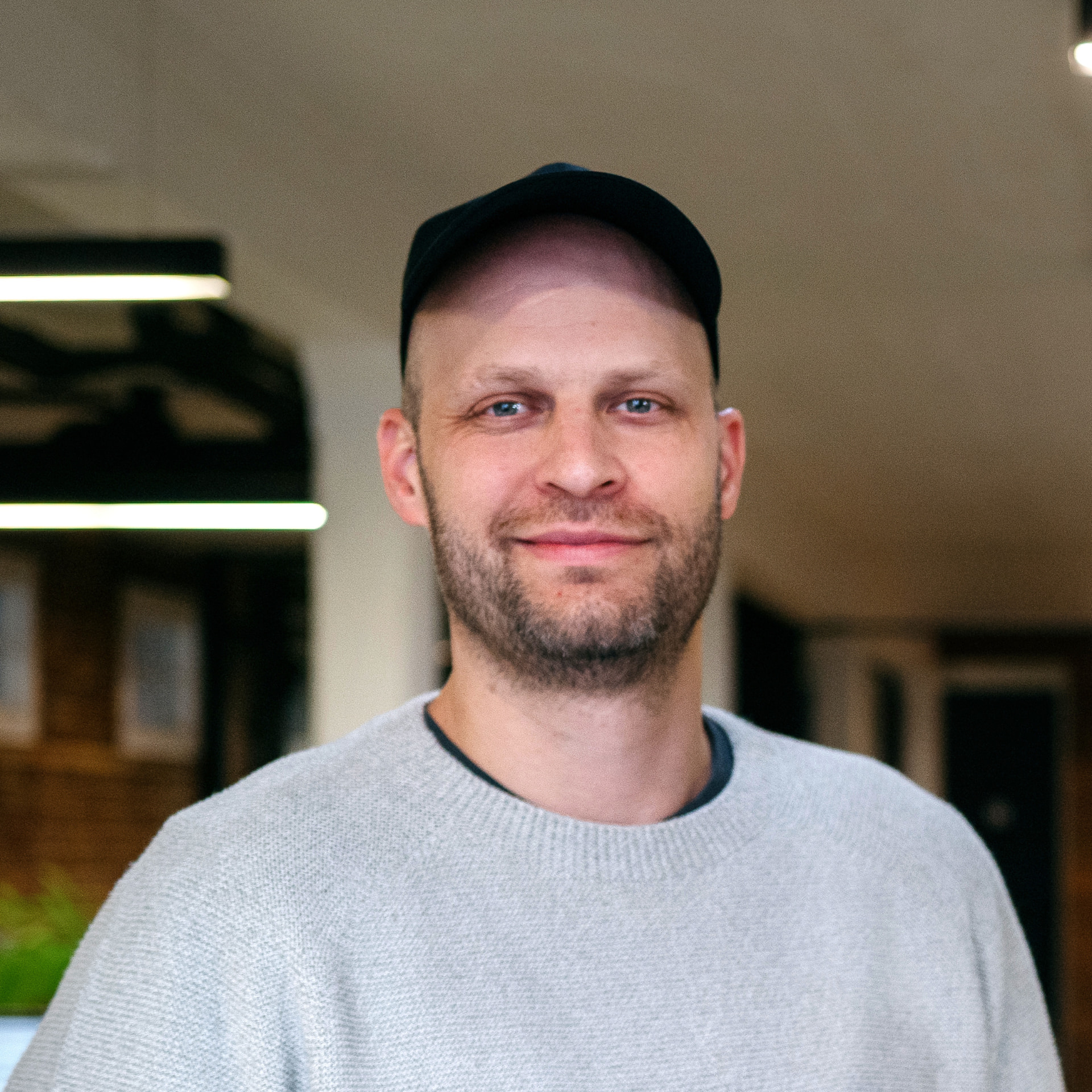
Where We're Going, We Don't Need Roadmaps

Moats in the Age of AI: Never Stop Digging
1:55 pm–2:25 pm NZDT
30 min · Talk
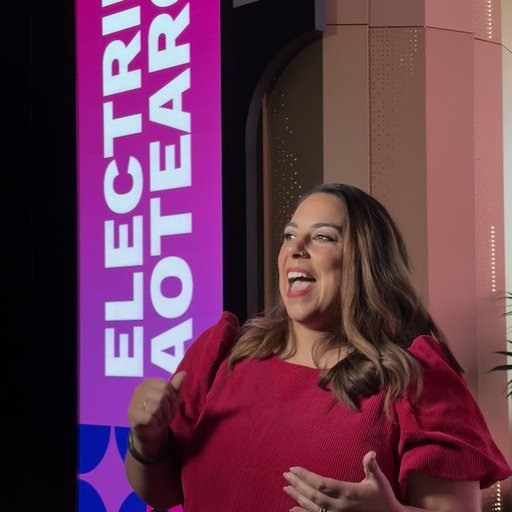
Nicole Retter
PAM
Rongomātāne · Plenary Hall One
I'm the Founder of PAM, who'd never heard of “Product” as a discipline. No frameworks, no playbook, no PM title. We launched PAM — an AI family organisation app — and hit product-market fit on day one in the app stores. This talk is the honest version of how that happened: not a lightning strike, but months of obsessing over one real problem and running endless scrappy, often embarrassing experiments — including the ones that flopped.
One of my favourites was having a stay-at-home mum pretend to be PAM, an amazing AI assistant for families. Each night she'd read three families' emails (including the 26-page school newsletter) and create a smart shared calendar for them — we used Gmail and a Word table, and learnt this saved families 3 hours a week.
I'll show what “day-one fit” actually meant (and how I'd define it now, with the data caveats included), what running discovery without knowing the rules let me see that trained PMs might miss, and where things are still genuinely messy. Real talk from outside the SaaS bubble, for anyone who suspects the playbook matters less than the obsession.
Nicole Retter is the founder and CEO of PAM, an AI-powered family assistant and second brain built to reduce the mental load of running a family. After more than 20 years in marketing, digital and strategy, Nicole turned her own breaking point under the weight of family admin into a tech company now used by families around the world. PAM has grown to more than 50,000 downloads, reached #1 in the NZ Lifestyle App charts multiple times, and was a double finalist in the 2026 NZ Hi-Tech Awards. A Māori wahine, mum, ADHD founder and self-taught product designer, Nicole is known for big energy, messy action and a relentless ability to find another way in.
2:30 pm–3:00 pm NZDT
30 min · Talk
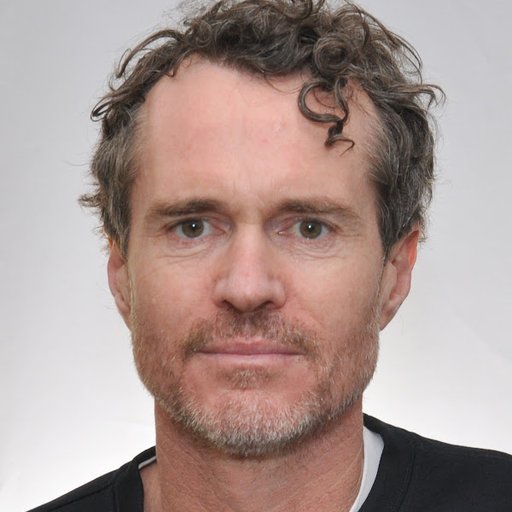
Dan York
Harmoney
Rongomātāne · Plenary Hall One
You can't lead what you've never tried.
Dan York learned this the hard way. He built an AI pricing agent, trusted its recommendations, and headed off on holiday. He returned to an unexpected drop in sales and an uncomfortable realisation: he'd delegated not just the work, but the thinking.
His next experiment had a very different outcome. A working AI prototype transformed a stalled idea into a funded product and gave his team the momentum to build something better.
Through two candid stories, Dan makes the case that product leaders need to get their hands dirty with AI, challenge what it produces, and use what they learn to lead differently.
His practical takeaway: Build. Break. Lead.
Dan York is Chief Product Officer at Harmoney, the ASX-listed online lender operating across Australia and New Zealand, where he leads product, design and product-facing AI work. Over the past year, he's been getting his hands dirty with AI inside a regulated business, discovering both its potential and its pitfalls. He believes the best product leaders don't need to become engineers, but they do need firsthand experience to develop the judgment to lead effectively. Low tolerance for hype, high bias for rigour, and a habit of building things rather than just specifying them.
3:00 pm–3:30 pm NZDT
30 min · Break
3:30 pm–4:00 pm NZDT
30 min · Talk
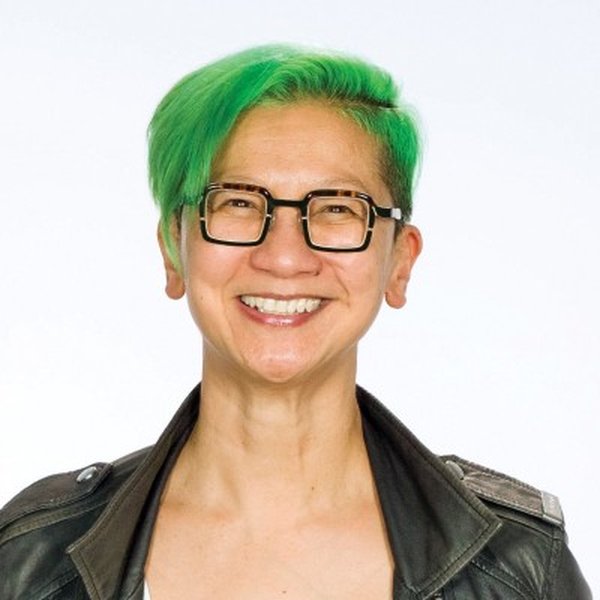
Adrienne Tan
Brainmates
Rongomātāne · Plenary Hall One
Product leaders are increasingly expected to do everything: set strategy, manage stakeholders, coach teams, oversee delivery and now stay personally hands-on with AI. At some point, “staying close to the work” became being expected to do the work as well.
But we don't ask CFOs to process accounts payable to prove they understand the numbers. We expect them to bring judgement, see the bigger picture and make decisions others aren't positioned to make. Why should product leadership be different?
In this talk, Adrienne Tan challenges the growing expectation that senior product leaders must simultaneously be strategist, coach and elite individual contributor. She explores the hidden cost of keeping leaders buried in delivery and argues for a different definition of staying close: one built on relationships, pattern recognition and knowing when and where to intervene.
Adrienne Tan is the CEO and Co-Founder of Brainmates and the founder of Leading the Product, ANZ's largest product community. With over two decades in the field, she's helped shape how product gets done across Australia and New Zealand, the good, the bad, and the gloriously messy. Adrienne brings clarity, humour, and a touch of rebellion to every room she's in. She's trained and coached thousands of product leaders, spoken at stages around the world, and built a following of more than 180,000 people on LinkedIn who love her refreshingly human take on leadership, resilience, and the art of doing great work in imperfect environments.
4:05 pm–4:35 pm NZDT
30 min · Talk

Jacob Duval
Rough
Rongomātāne · Plenary Hall One
Oh no, someone let the sales team add features! Not just them. All your users can add their own features too!
Welcome to malleable software - where users can close feature gaps in an instant, and features no longer mean product changes. What changes about the role of Product? Jacob will explore what's happening in this rapidly growing space, and show you why Product Management has become more important now more than ever.
Jacob Duval is the co-founder and CEO of Rough. With over 15 years leading SaaS products, Jacob has run teams on both sides of the roadmap. As co-founder of Mish Guru, he built a storytelling product for the world's top brands on top of the undocumented Snapchat API. He later led engineering at Runn, before founding Rough — a platform that lets users build their own features. A second-time founder based in Ōtautahi Christchurch, Jacob writes regularly on malleable software, leadership, and the overlap between engineering and product.
4:40 pm–5:10 pm NZDT
30 min · Talk
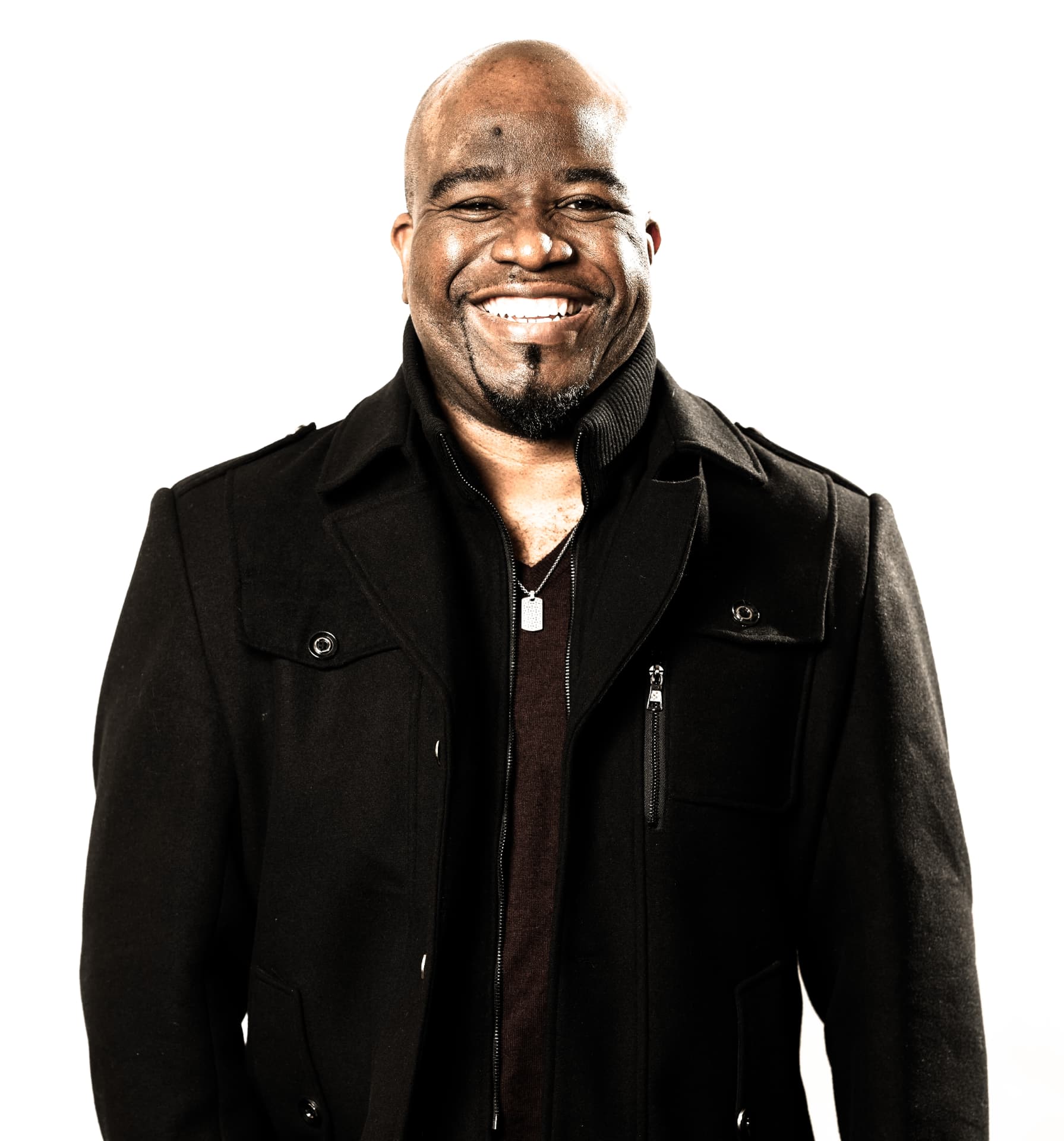
Oji Udezue
Rongomātāne · Plenary Hall One
Ninety-one percent of New Zealand businesses already use AI. But only 4% have changed how the core work gets done, and that number fell this year*. Closing that gap smarter and better is the product problem of this decade for NZ. Oji Udezue, former chief product officer and leader at Calendly, Typeform, Twitter and Atlassian and co-author of Building Rocketships, argues that the people best placed to close it are in this room right now. Whatever your product management journey is, you can learn how to be the best AI PM possible without going crazy, because the fundamentals are still incredibly important along with new skills we will discuss.
We'll zoom through my own improbable journey, talk about the sources of new stress in the Shipyard (PM + Dev + Design + Product Marketing and the extended GTM teams and process). We'll tackle some AI era tropes and what people are getting wrong about what matters. We'll talk about how to perform as the new Conductor Class of your AI shipyard and gives you three things you need to get started or to hone your current journey. Nobody in San Francisco can beat you at the best Product Manager in New Zealand, because you know the problems and customers better than anyone else. Wait, you do right?
*Datacom's AI Index, fourth annual edition, published 28 August 2026, based on a survey of 207 senior managers at New Zealand organisations polled in late July and early August. The figures as reported
Oji Udezue is a 4x CPO at Atlassian, Typeform, Twitter and Calendly. A true multi-skilled professional: MSEE from USC, 2x MBA from Columbia and UC Berkeley, and a product leader who has taken tours of duty in Marketing, Sales, Design and Engineering through his career. He and his partner wrote the definitive book on Product Management in high-growth technology companies — Building Rocketships. He's spent the last 4 years helping build the emerging future of AI adoption in technology companies and the economy: at Typeform, he led one of the first SaaS-to-AI company transformations. He's steeped in not just the tech industry, but international AI policy via the Africa AI XPrize Foundation and so much more. Recently, he's been driving AI transformation for many Fortune 1000 companies through his consulting group — ProductMind.
5:15 pm–5:30 pm NZDT
15 min · Wrap-up
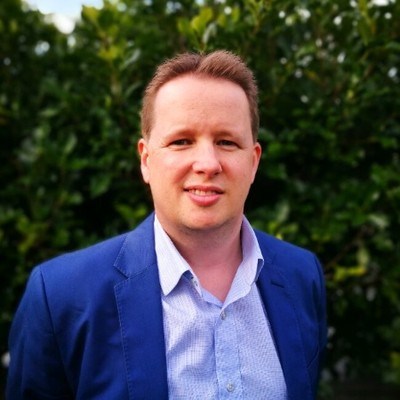
Anthony Marter
Rongomātāne · Plenary Hall One
#PAC26 · Around the conference
Wed 11 Nov · From 5pm
St John's Bar & Eatery, 5 Cable Street, Te Aro, Wellington
Supported by Leading the Product and Pendo
Register on Meetup (opens in a new tab)Thu 12 Nov · 5:30pm
Fork & Brewer, Wellington
Sponsored by Optimal Workshop